Powerful Dandruff Treatment Approaches: Remove Flakes and Scratching
Dandruff represents a widespread yet frequently misconstrued condition that impacts numerous people. Its causes range from fungal complications to dry skin and stress. Effective treatment options exist, including specialized shampoos and natural remedies. However, understanding the root of the problem is crucial for effective control. As many pursue enduring answers, exploring various approaches can uncover productive tactics for comfort. What measures might you implement to achieve a healthier scalp and reduce stubborn flakes?
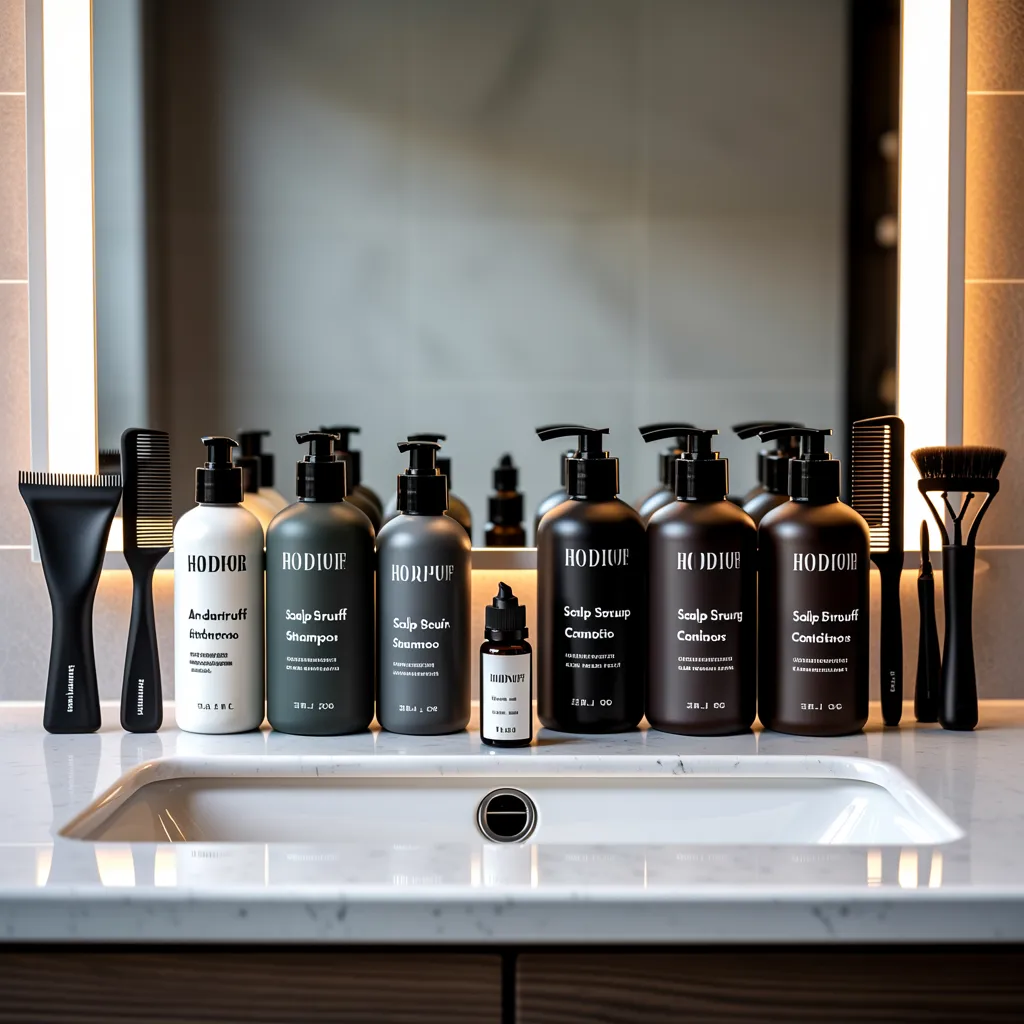
What Stems from Scalp flakes?
Dandruff typically happens from a complicated mixture of factors, including skin conditions, environmental influences, and individual health. One widespread cause is seborrheic dermatitis, a skin condition presenting with red, greasy patches and flaky scales. This condition can decline in response to stress, hormonal changes, or seasonal variations. Additionally, the buildup of a yeast-like fungus called Malassezia on the scalp may play a role in dandruff formation.
Environmental elements such as dry air or high humidity can aggravate symptoms. Poor hygiene and infrequent washing may allow dead skin cells to accumulate, amplifying visible flakes. Individual medical conditions, including allergies or nutritional deficiencies, may also contribute. Certain medical conditions, like psoriasis or eczema, can cause heightened scalp sensitivity, further complicating the issue. Understanding these basic causes is critical for effective management, preparing for targeted solutions.
The Top Anti-Dandruff Products to Test
Discovering an efficient approach for dandruff often begins with picking the correct shampoo. Many options are obtainable, each formulated to address specific factors of dandruff. Shampoos featuring zinc pyrithione are popular for their antimycotic properties, working to reduce Malassezia yeast, a common factor in flaking. Salicylic acid shampoos aid in sloughing off the scalp, successfully removing dead skin cells.
Another alternative is ketoconazole, an antifungal ingredient that fights severe dandruff and scalp conditions. Tea tree oil shampoos offer a natural alternative, known for their antimicrobial properties that calm irritation. Coal tar shampoos can also be beneficial, as they decrease skin cell turnover, reducing flaking.
When determining an anti-flake shampoo, it is critical to evaluate individual scalp conditions and preferences. Ongoing use of the picked product can deliver a noticeable reduction in flakes and itchiness, encouraging a improved scalp health.
Powerful Natural Cures to Address Dandruff
Natural remedies for dandruff offer a variety of options that may help ease symptoms effectively. Among these, tea tree oil is known for its antimycotic attributes, while an apple cider vinegar rinse can maintain scalp pH. Additionally, coconut oil serves as a moisturizing agent that may minimize dryness and flakiness.
Tea Tree Oil Perks
Among the different treatments available for calming scalp irritations, tea tree oil is a powerful ally against dandruff. This essential oil, obtained from the leaves of the Melaleuca alternifolia tree, possesses strong antifungal and antibacterial properties. These traits make it efficient in combatting the yeast-like fungus Malassezia, which is typically connected to dandruff. Regular treatment of tea tree oil can alleviate itching and decrease inflammation, offering relief from discomfort. Additionally, its natural astringent features help regulate oil production on the scalp, promoting a healthier environment for hair growth. Incorporating tea tree oil into hair care routines, whether through shampoos or diluted mixtures, may greatly improve dandruff symptoms, resulting in a healthier and flake-free scalp.
Apple Cider Vinegar Rinse-off
Tea tree oil is just one of many beneficial remedies for dandruff, with apple cider vinegar (ACV) becoming as another popular option. Known for its fungus-fighting and germ-killing properties, ACV helps to normalize the scalp's pH balance, making it less friendly for dandruff-causing fungi. Its acidic nature can also help in removing product buildup and extra oils, promoting a healthier scalp environment. To use, mix ACV with water and apply it after shampooing, allowing it to remain for a few minutes before rinsing. Regular use can lead to significant improvements in scalp health and a reduction in flakes. Incorporating ACV into a hair care routine can provide a organic and effective solution for those struggling with dandruff.
Coconut Oil Application
When looking for effective dandruff remedies, coconut oil serves as a strong ally because of its hydrating and antifungal benefits. This natural oil hydrates the scalp but also targets the Malassezia fungus, a frequent factor behind dandruff. Regular use can ease irritation and reduce flakiness, making it a favored option for those facing dryness. To apply coconut oil properly, individuals should warm a small quantity and gently massage it into the scalp, allowing it to soak in for at least 30 minutes before rinsing. Adding this treatment to a weekly regimen can improve scalp health and offer lasting relief from dandruff symptoms, fostering a balanced and nourished scalp condition.
Stress Relief Techniques
A nutritious diet creates the basis for healthy skin and scalp, but stress management techniques can also aid dandruff control. Persistent stress can aggravate skin problems, including dandruff, through triggering hormonal imbalances and excess oil production. Mindfulness meditation, frequent physical activity, and deep breathing are strategies to help reduce stress levels. Creating a regular sleep schedule boosts general health, allowing the body to heal itself, scalp included. Furthermore, taking part in hobbies and social events can offer mental relaxation, helping balance. By incorporating these stress management strategies, individuals may see a significant reduction in dandruff recurrence, leading to improved scalp health and comfort.
Identifying How to Consult a Skin Specialist for Dandruff
How can one determine the appropriate time to seek professional help for dandruff? It is crucial to understand when over-the-counter treatments are not yielding results. If dandruff continues despite consistent use of targeted shampoos for several weeks, a consultation with a dermatologist may be warranted. Additionally, individuals should seek professional advice if they experience intense itching, redness, or inflammation of the scalp, visit this page as these symptoms may signify an underlying condition such as seborrheic dermatitis or psoriasis. Changes in hair health, such as excessive hair loss or scalp sensitivity, also indicate the need for a dermatologist's expertise. Moreover, if dandruff is accompanied by discomfort that affects daily life, timely intervention is vital. A dermatologist can provide personalized treatment plans and identify any potential allergens or irritants causing the issue, ensuring a more efficient approach to managing dandruff successfully.
Guidelines for Maintaining a Healthy Scalp
Preserving a clean scalp is crucial for overall hair health and can effectively diminish the risk of dandruff. Routine washing with a gentle shampoo removes excess oil and product residue, establishing a favorable environment for hair follicles. It is advisable to avoid harsh chemicals and sulfates, as they can irritate the scalp and exacerbate dryness. Incorporating a balanced diet rich in vitamins and minerals, particularly omega-3 fatty acids and zinc, supports scalp health from within. Being well-hydrated matters just as much; consuming sufficient water maintains scalp moisture. Moreover, mild scalp massages enhance blood flow, encouraging healthy hair growth. Limiting heat styling and protecting the scalp from environmental stressors, such as sun exposure, also contribute to a healthier scalp. In conclusion, following a regular hair care routine suited to individual scalp needs helps avoid dandruff and boosts overall hair health.
Common Misconceptions About Dandruff Dispelled
What misconceptions surround dandruff? Many people think that dandruff is solely caused by poor hygiene; however, this is misleading. While infrequent washing can exacerbate the issue, dandruff often stems from a yeast-like fungus called Malassezia, which thrives on scalp oils. Another myth suggests that dandruff is only a winter problem; in reality, it can occur year-round, influenced by factors like stress, diet, and skin conditions. Additionally, some presume that dandruff is exclusively linked to dry skin, when in fact, it can also result from oily scalp conditions or seborrheic dermatitis. Finally, a common belief is that dandruff is catching; this is false, as it is not transmitted from person to person. Understanding these myths is critical for effective treatment and management of dandruff, allowing individuals to approach their scalp health with knowledgeable methods rather than misconceptions.
Frequently Asked Questions
Does Stress Worsen Dandruff Symptoms?
Yes, strain can exacerbate dandruff symptoms. It may provoke an inflammatory response in the scalp, resulting in increased flakiness and itchiness. Controlling stress effectively can help diminish these manifestations for some individuals.
Is Dandruff Contagious Between Individuals?
Dandruff is not contagious among persons. It comes from various factors, including dry skin and fungal growth, rather than an infectious agent. Therefore, sharing personal items does not typically spread dandruff to others.
What period Does Treatment take to reveal Results?
Treatment typically requires several weeks to show noticeable results. Individual responses may vary, but consistency in application and choosing the right product are essential for effectively managing and reducing dandruff symptoms over time.
Does Food Intake Influence the Degree of Dandruff?
Your diet can markedly affect dandruff severity. Nutrient-rich foods that facilitate skin health, like omega-3 fatty acids and vitamins, may serve to decrease inflammation and optimize scalp condition, potentially easing dandruff symptoms over time.
Are There Specific Hair Types More Susceptible to Dandruff?
Certain hair types, particularly oily or curly hair, may be susceptible to dandruff. This is often due to increased sebum production or trouble spreading natural oils uniformly, worsening scalp conditions that lead to flakes.